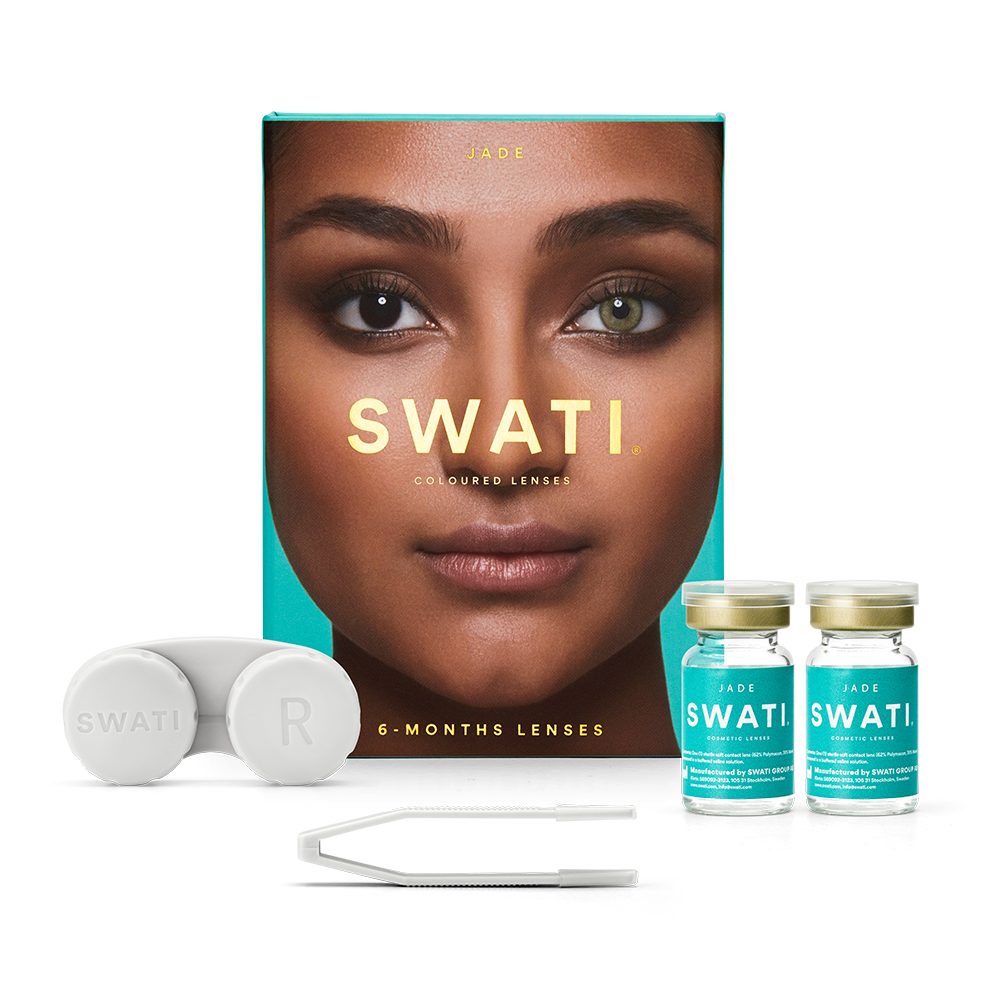
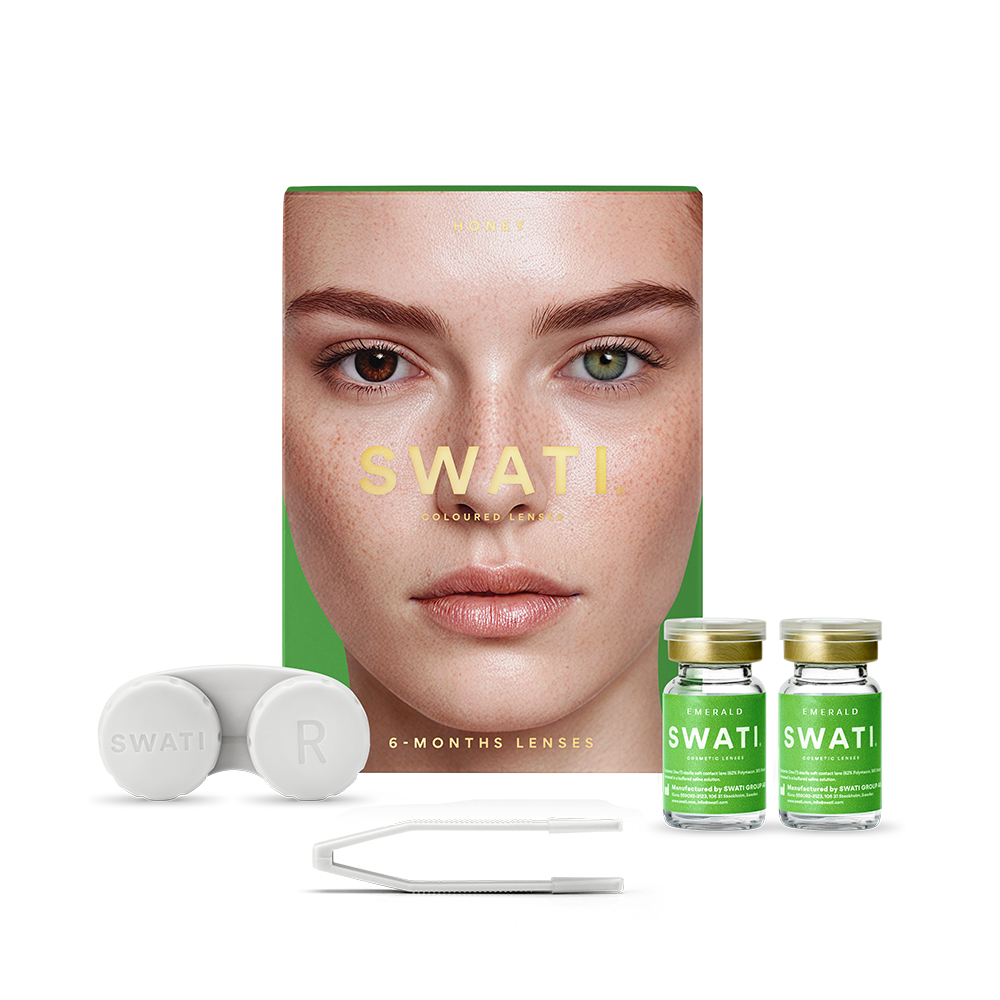
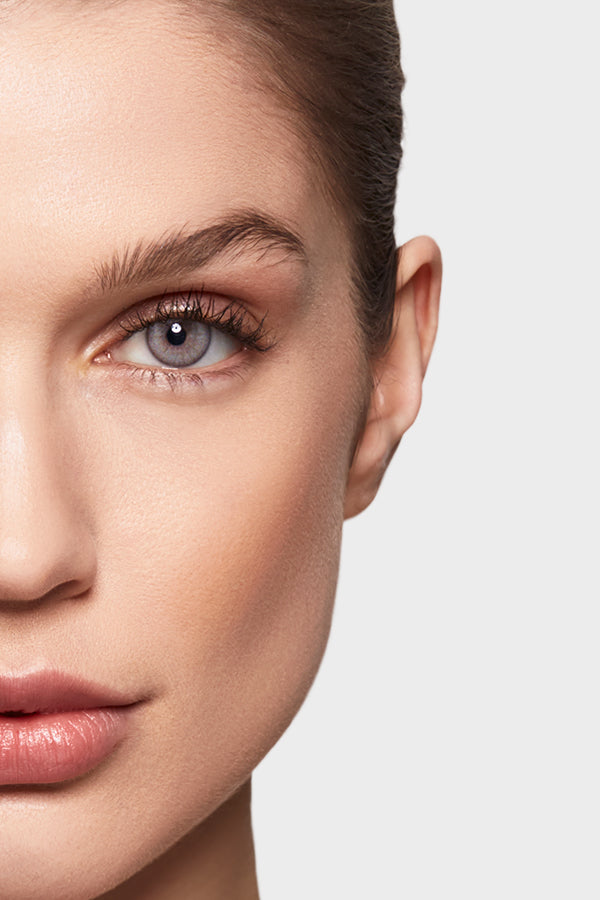
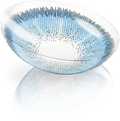
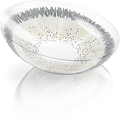
Can coloured contacts ever look natural?
March 5, 2026


March 5, 2026
2 min read 🔥
85,000 Views

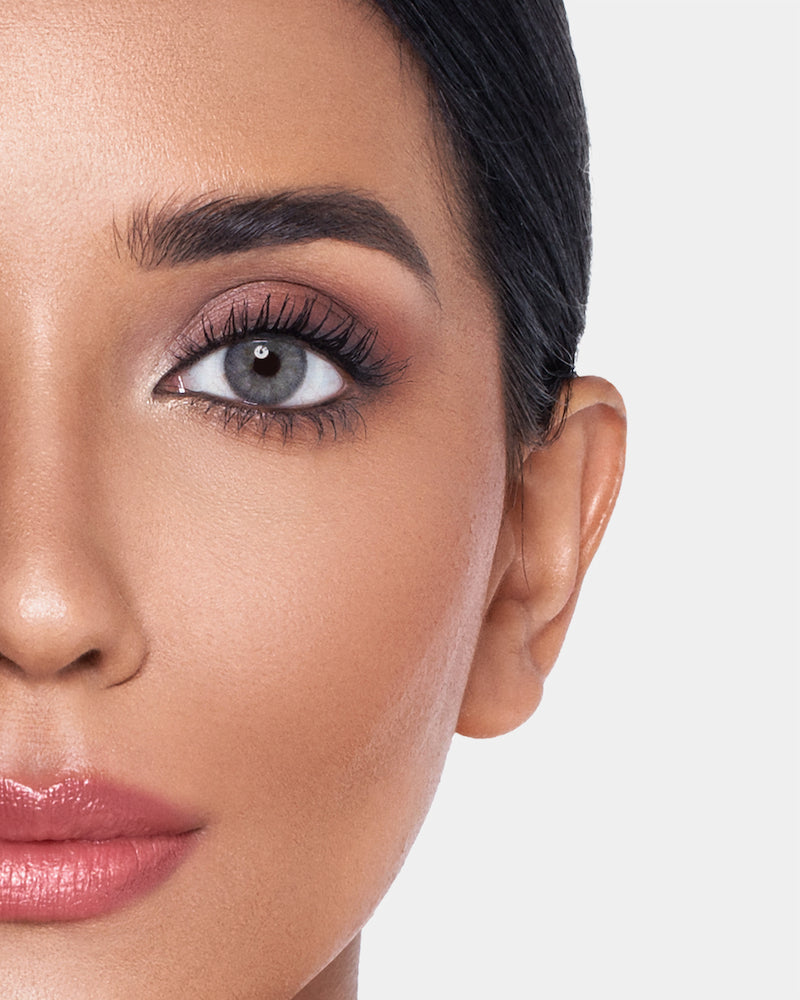
Natural Type A: “Born-with-it.”
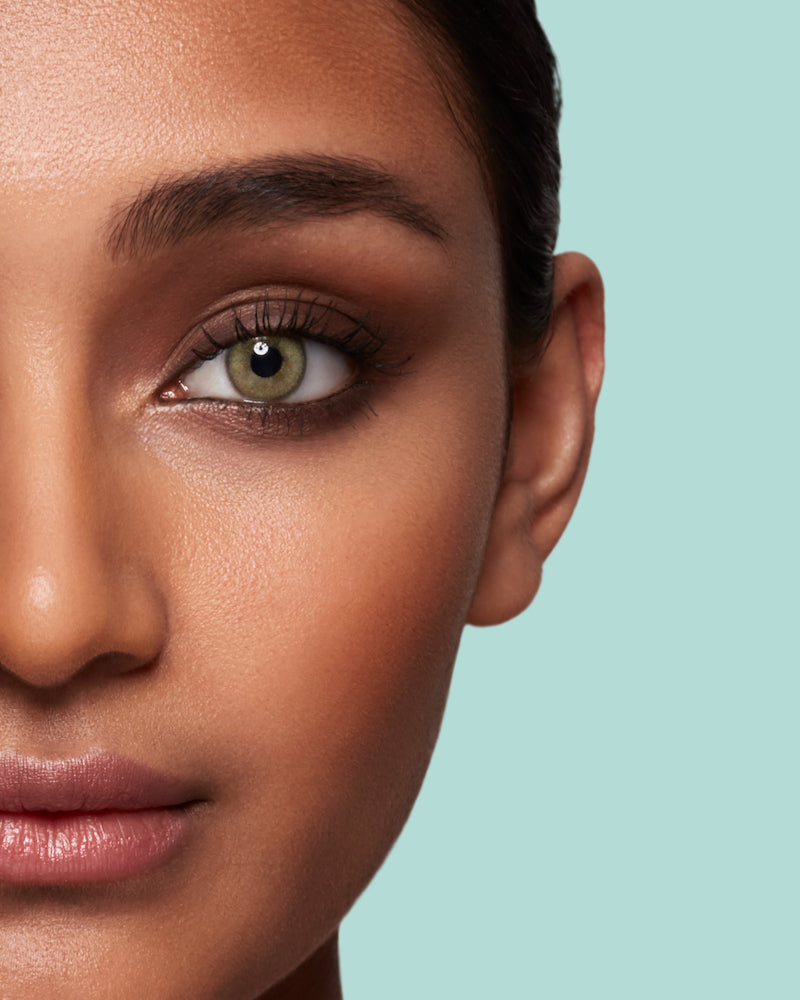
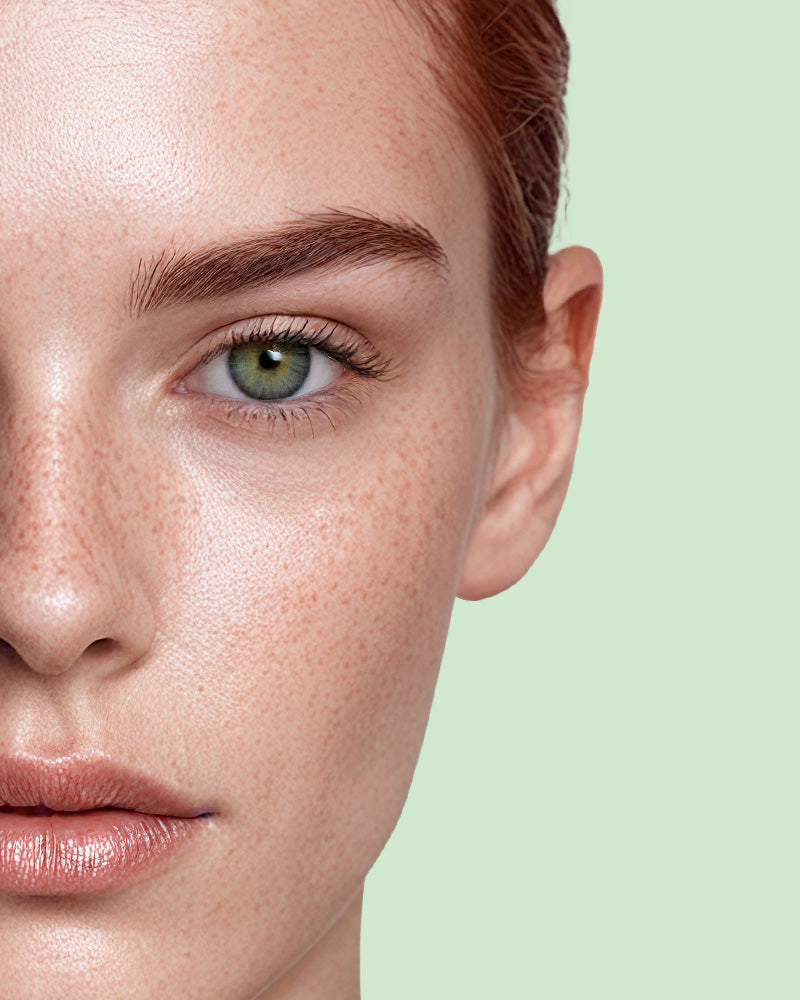
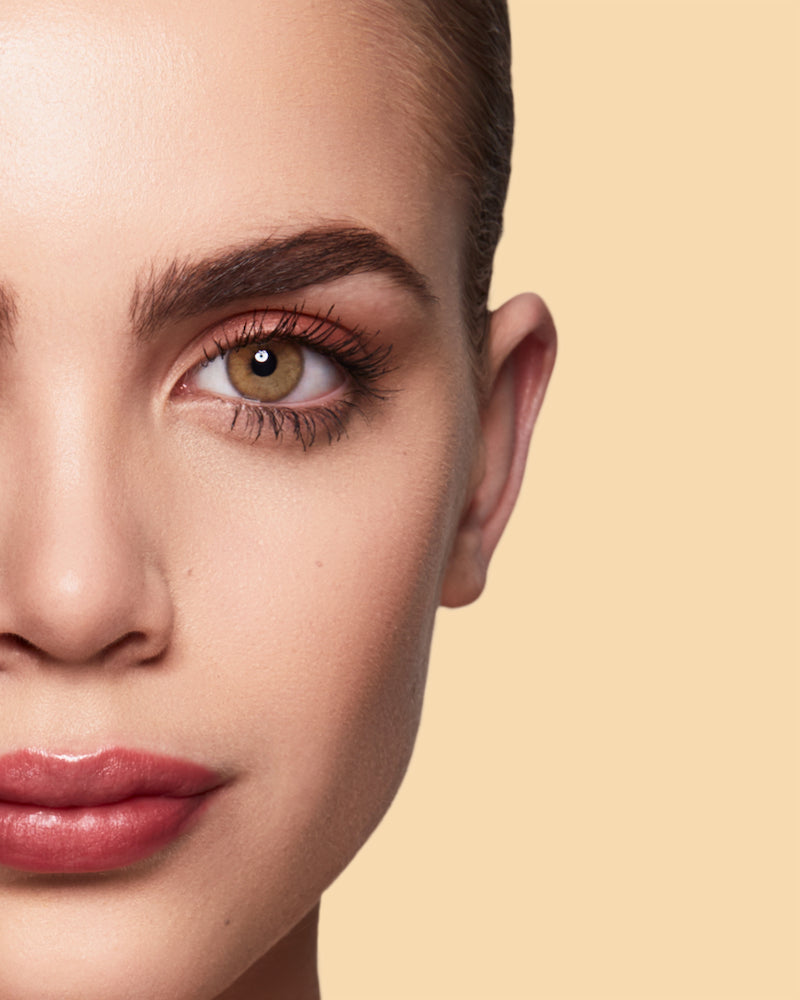
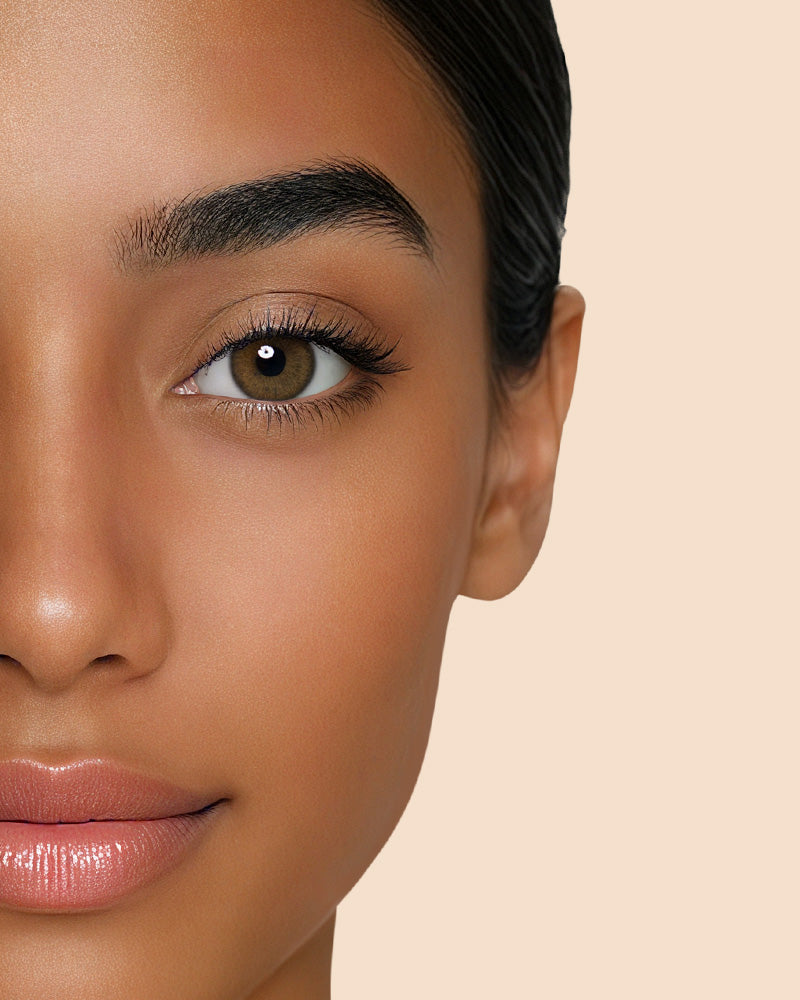
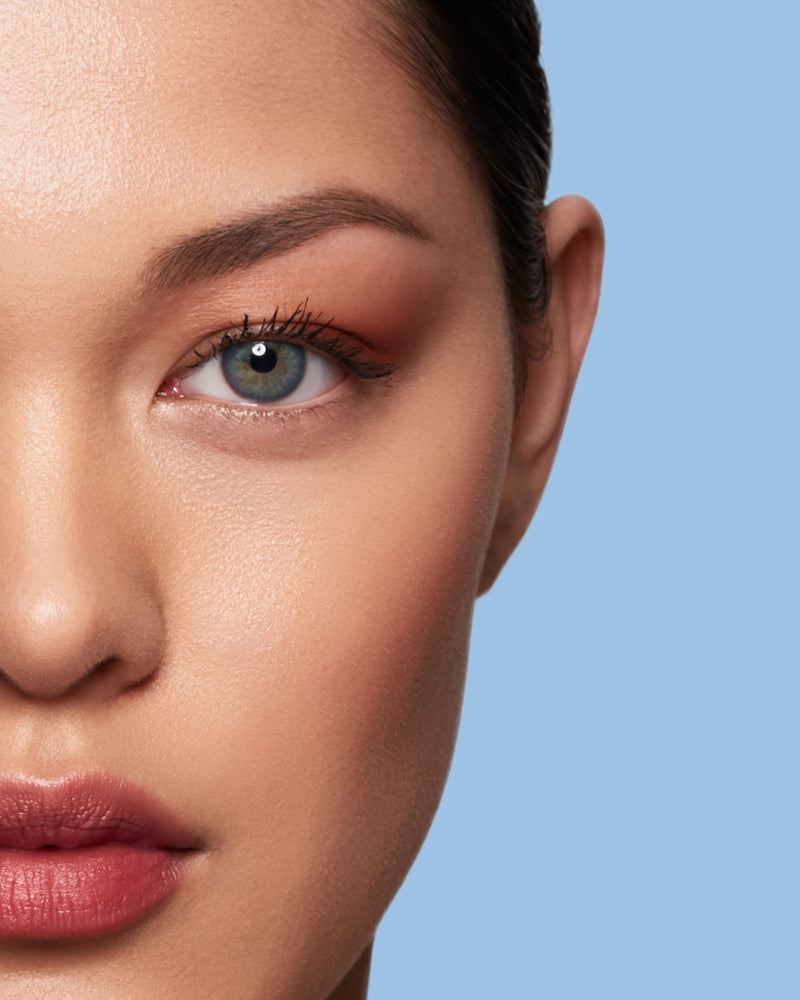
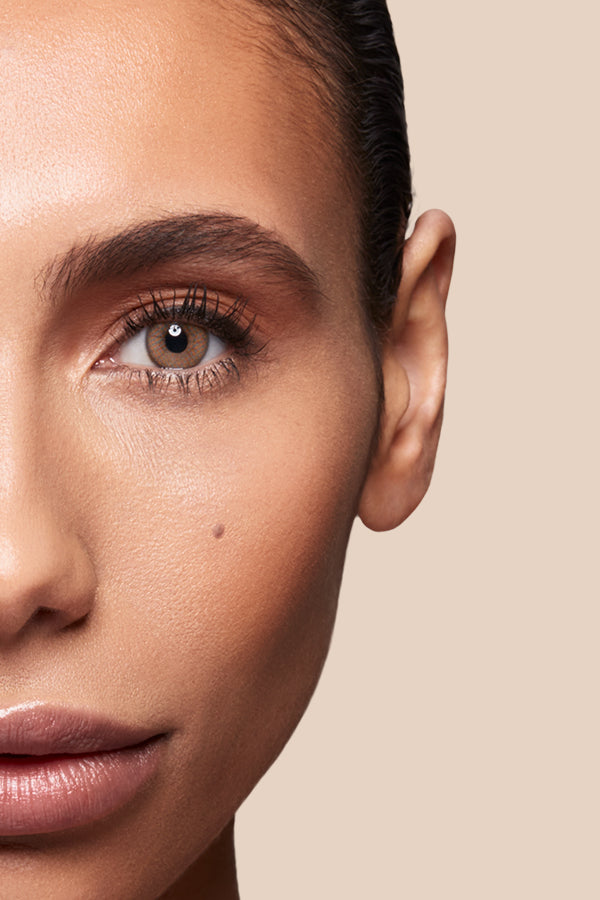
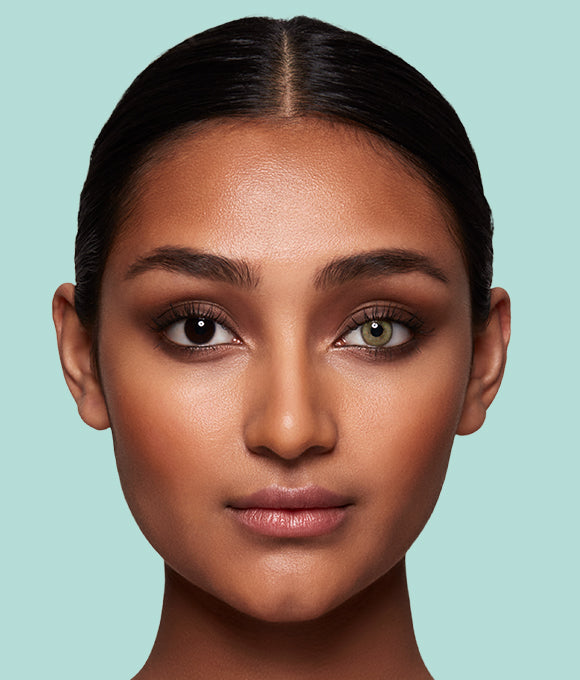
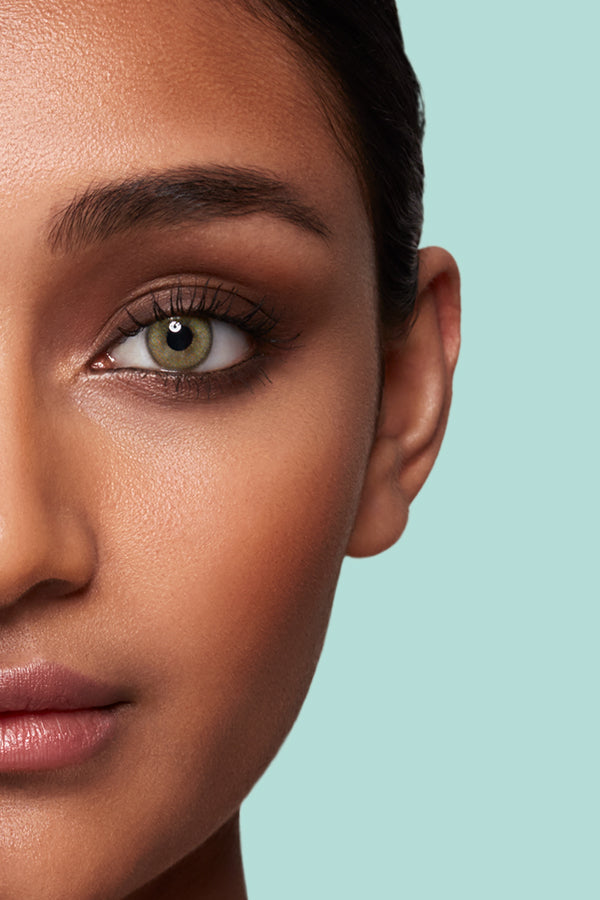
People shouldn’t clock the lens immediately. The colour shift is subtle, tonal, and plausible with your features.
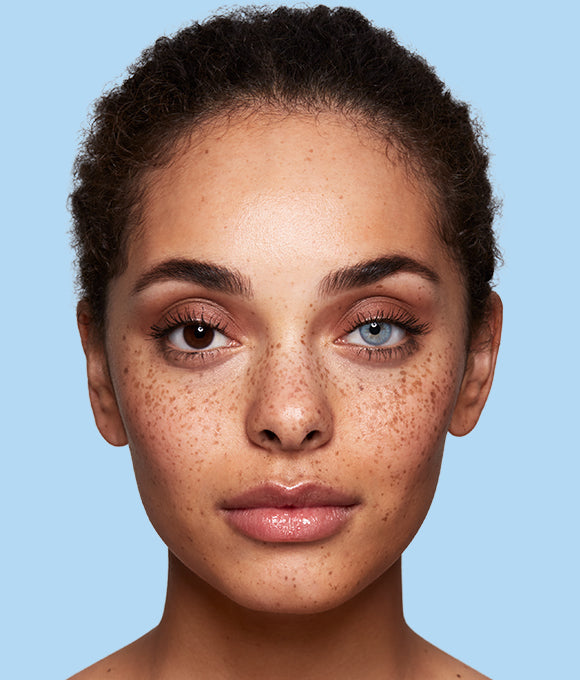
Natural Type B: “Enhanced-but-believable.”
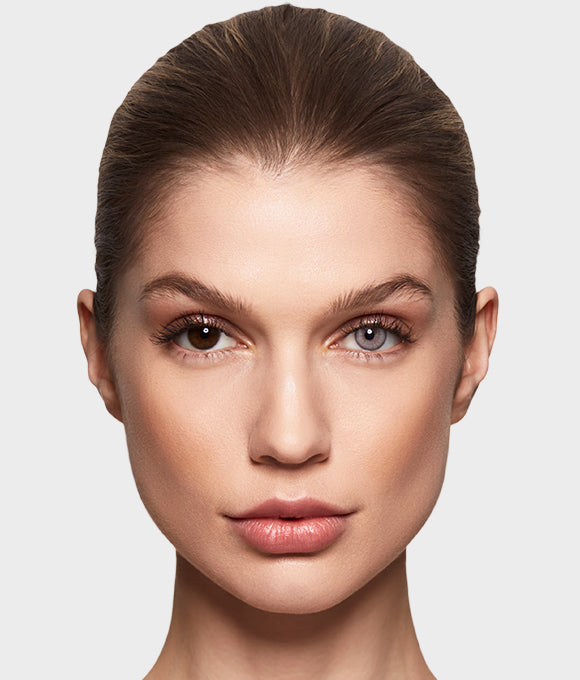
Noticeable upgrade, still realistic. Think: “your eyes look amazing today” rather than “are those contacts?”
Be honest: if you’re going from very dark brown eyes to ice blue, you’re usually not aiming for Type A. You’re aiming for Type B, and that’s fine—just don’t pretend it’ll look like genetics.
Shop Our Bestsellers Here

Most shoppers obsess over colour. Pros obsess over construction.
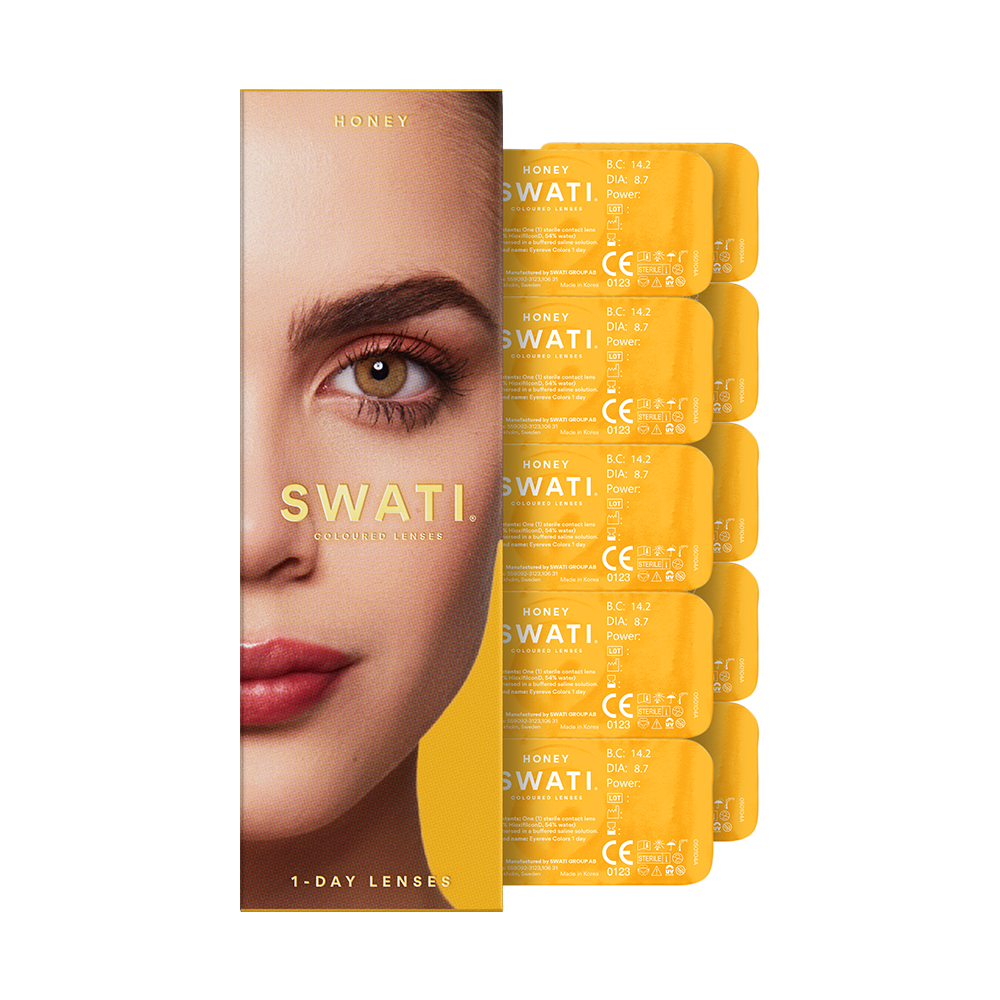
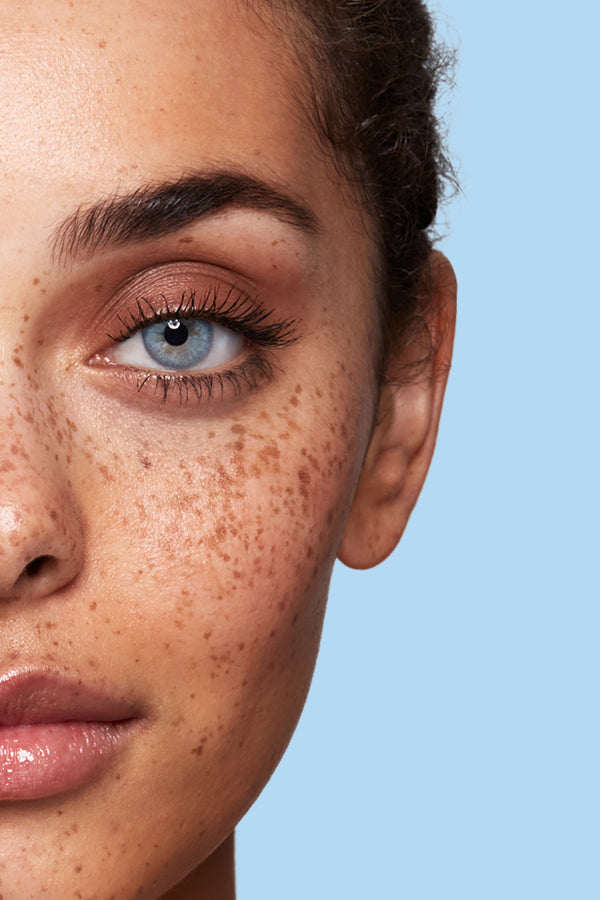
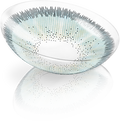
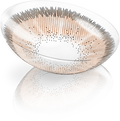
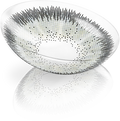
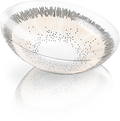
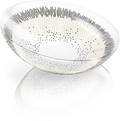
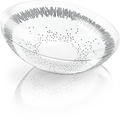
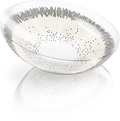
Natural irises aren’t one shade—they’re layered. Lenses that mimic that (subtle radial variation, soft transitions) look more “real” than a single flat pigment. This is why many “natural” brands market layered designs.
A harsh, thick limbal ring (dark outline) often screams “contacts.” For natural results:

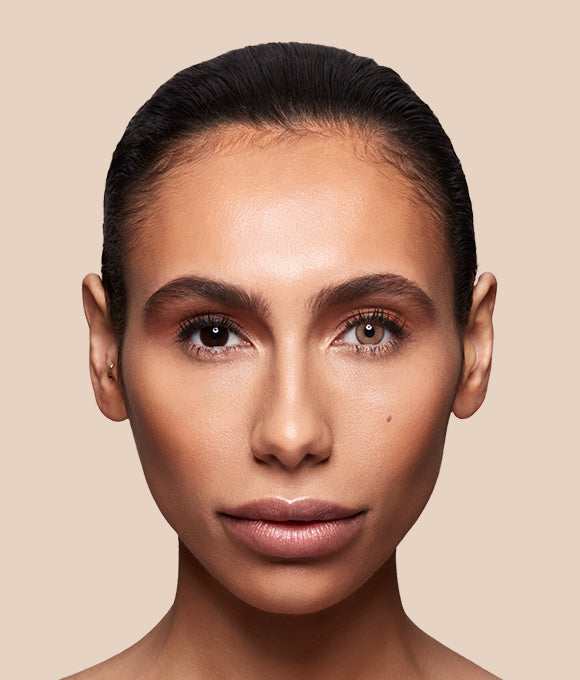
A lot of “unnatural” isn’t the lens—it’s the mismatch with the rest of your palette.
If you want maximum believability:
Ask: will this be worn mostly…

Here’s the part people skip, then blame the lens.
Natural-looking lenses look more convincing when the rest of the eye area is coherent. If your brows/lashes are under-defined, the lens can look like a random add-on. Add structure:
If you go cooler eyes (grey/blue), lean cooler neutrals. If you go warmer eyes (hazel/green), warmer bronzes and browns reinforce realism.
Heavy white eyeliner plus coloured lenses can push the look into cosplay territory fast.